
Root Canal Treatment in Khar West

The Smile Makers Dental Clinic, Khar west

Root Canal Treatment in Khar West

Root Canal Care with a Focus on Comfort at The Smile Makers Dental Clinic

If you are suffering from tooth pain, sensitivity, swelling, or infection, root canal treatment in Khar West at The Smile Makers Dental Clinic can help save your natural tooth comfortably and effectively. Dr. Mohit Bodhwani, experienced endodontist and dentist in Khar West, provides root canal treatment with a focus on patient comfort using modern technology, precision techniques, and gentle dental care with clear explanations before and during treatment.
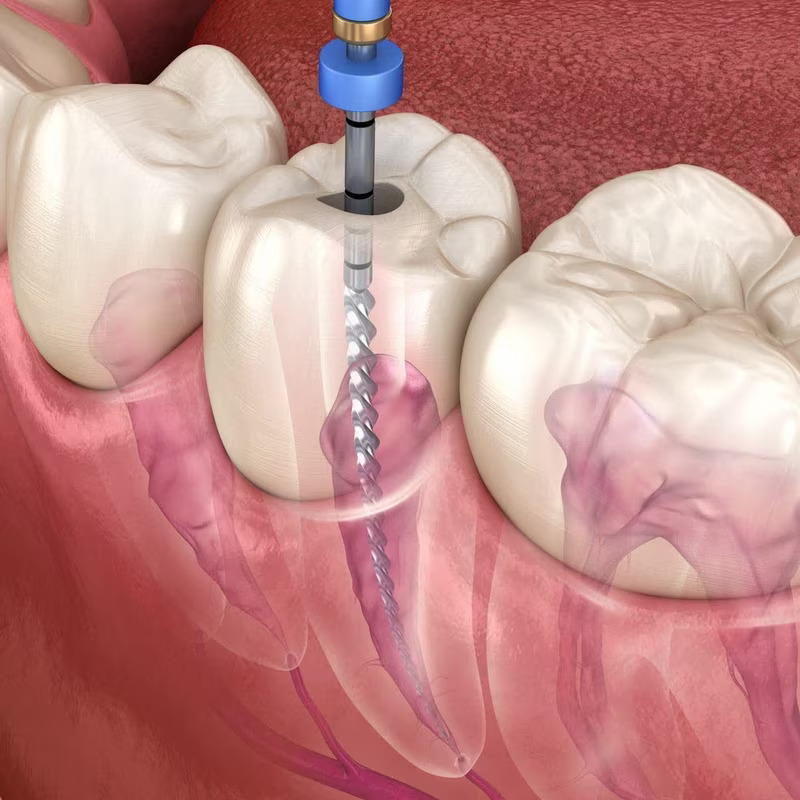
Illustration of a root canal file cleaning the canal inside a molar

Root Canal Treatment is a dental procedure used to treat infection or damage inside the tooth pulp. During the procedure, the infected tissue is removed, the canal is thoroughly cleaned and disinfected, and then sealed to prevent further infection.

This treatment helps:

  • Save your natural tooth
  • Eliminate pain and infection
  • Restore normal chewing and function
  • Prevent tooth extraction

Root canal treatment is typically needed when the innermost part of the tooth, known as the dental pulp, becomes infected or damaged. Some common scenarios that may require a root canal treatment include:

  • Deep tooth decay
  • Dental trauma
  • Cracked or fractured tooth
  • Prolonged sensitivity
  • Abscess or swelling

    It’s important to note that only a dental professional can determine if you need a root canal treatment. If you are experiencing any of these symptoms or suspect an issue with your tooth, it is advisable to schedule an appointment with a dentist. They will evaluate your condition, perform necessary diagnostic tests, and recommend the appropriate treatment, which may include a root canal if needed.

The symptoms of root canal problems can vary from person to person, but some common signs that may indicate the need for a root canal treatment include:

  • Persistent tooth pain: Intense and continuous pain in the affected tooth is a common symptom. The pain may be throbbing, sharp, or accompanied by sensitivity to heat or cold.
  • Sensitivity to temperature: Increased sensitivity to hot or cold temperatures, even after the stimulus is removed, can be a sign of root canal problems.
  • Gum swelling and tenderness: Swelling and tenderness in the surrounding gums may occur near the affected tooth. The gums might appear red, inflamed, or even have a pimple-like bump called an abscess.
  • Tooth discoloration: The tooth may appear darker or discolored compared to the adjacent teeth. This discoloration can be a result of damage to the pulp inside the tooth.
  • Prolonged sensitivity to pressure: Sensitivity when biting or applying pressure to the tooth is another indication of potential root canal issues.
  • Presence of an abscess: An abscess can form at the root of the tooth, causing pain, swelling, and a bad taste in the mouth. It can also lead to the development of a pimple-like bump on the gums.
  • If you are experiencing any of these symptoms, it is essential to consult with a dentist. They will conduct a thorough examination, possibly including dental X-rays, to determine the cause of your symptoms and recommend appropriate treatment, such as a root canal, if necessary. Early detection and intervention can help save the affected tooth and alleviate any discomfort or pain.
  • Root canal treatment is often associated with the perception of pain; however, with modern techniques and anesthesia, the procedure itself is typically not painful. The dentist or endodontist will administer local anesthesia to numb the area around the tooth being treated. This ensures that you won’t feel any pain during the procedure.
  • During the root canal treatment, the dentist or endodontist will remove the infected or damaged pulp from the tooth and clean the interior thoroughly. Although you may feel some pressure or vibrations, it should not be painful. If you experience any discomfort, inform your dentist, and they can adjust the anesthesia accordingly.
  • After the procedure, you may experience some mild soreness or sensitivity in the treated area. This is normal and can be managed with over-the-counter pain medications. Most patients find that any discomfort subsides within a few days.
  • It’s important to note that the purpose of a root canal is to relieve pain caused by an infected or damaged tooth, not to cause pain. By addressing the underlying issue and eliminating the infection, root canal treatment helps to alleviate pain and restore oral health.
  • If you have concerns about the pain associated with a root canal treatment, discuss them with your dentist. They can explain the procedure in detail, address any apprehensions you may have, and ensure that you are comfortable throughout the process.
  • The cost of a root canal treatment can vary depending on several factors, including the location, complexity of the case, the dentist’s experience, and the specific tooth being treated. Additionally, costs can vary between dental clinics and regions.
  • Generally, root canal treatment tends to be more expensive than simple dental procedures due to the specialized nature of the procedure. The cost typically includes the examination, X-rays, anesthesia, the actual root canal procedure, and any necessary restorations, such as a dental crown.
  • It’s important to consult with a dentist or endodontist to get an accurate estimate of the cost for your specific case. They can evaluate your tooth, consider any additional treatments or materials required, and provide you with a detailed breakdown of the expenses involved.
  • While the cost of a root canal treatment may seem significant, it is important to prioritize your dental health. Neglecting or delaying necessary root canal treatment can lead to further complications and potentially more expensive dental procedures in the future.
  • It’s worth noting that dental insurance coverage can help offset some of the costs associated with root canal treatment. Review your insurance policy or speak with your insurance provider to understand the coverage and any out-of-pocket expenses you may be responsible for.
  • Remember, investing in your oral health through timely root canal treatment can help preserve your natural tooth and alleviate any pain or discomfort associated with dental problems.

need more help ?

Mobile Number

+91 98190 39311

Email support

info@thesmilemakersdental.com

timing

9:00AM to 8:30PM (Monday to Saturday)
(Sunday Closed)

address

Sadanand Classic, The Smile Makers Dental Clinic, Ground floor, A Wing, 2A, 33rd Rd, near McDonalds, Khar West, Mumbai, Maharashtra 400052, India

Frequently Asked Questions

How much does a root canal cost at The Smile Makers in Khar West?

The cost depends on the tooth, how many canals it has and whether it needs a crown afterwards. Dr. Mohit Bodhwani (Endodontist) examines the tooth first and gives you a clear estimate before treatment starts.

Root canal or extraction: which one should I choose?

Where a tooth can be saved, keeping your natural tooth is usually preferred, because replacing it later with an implant or bridge adds time and cost. If the tooth is too damaged to restore, extraction may be advised. Dr. Mohit Bodhwani (Endodontist) explains both options after an examination and X-ray.

What is the difference between a general dentist and an endodontist for a root canal?

An endodontist has extra training in treating the inside of the tooth. Dr. Mohit Bodhwani is a Certified Endodontist with 17+ years of experience and 25,000+ root canals completed.

How do I know if I need a root canal?

Common signs are lingering pain with hot or cold food, pain on biting, swelling near the gum or a darkened tooth. Some teeth give no warning, so an examination and X-ray are the only sure way to tell.

Will I need a crown after a root canal?

Often yes, especially for back teeth, because a treated tooth can be more brittle. We advise this case by case.

What should I do after a root canal?

Avoid chewing hard food on that side until the tooth is restored, keep brushing and flossing as usual, take only medicines your dentist prescribes, and contact us if swelling or pain gets worse.

Who a root canal is for

A root canal is usually advised when the inner part of a tooth (the pulp) is infected or damaged, for example from deep decay, a crack, an injury or repeated dental work. Common signs are lasting pain, sensitivity to hot or cold that does not fade, pain on biting, swelling of the gum or a darkened tooth. Only an examination and an X-ray can confirm whether you need one.

What happens during treatment

  • Examination and X-ray to confirm the diagnosis and plan treatment.
  • Local anaesthetic, so the tooth and the area around it are numb.
  • A small opening is made and the infected or damaged pulp is removed.
  • The inside of the tooth is cleaned, shaped and disinfected.
  • The canals are filled and sealed, and the opening is closed with a filling.
  • Most teeth then need a crown to protect them. Your dentist will advise you.

How many visits and how long?

A root canal is usually completed in a single visit, and a single-visit root canal normally takes about 30 to 45 minutes. More than one visit is needed only when the infection is very serious, for example with facial swelling or drainage from a sinus tract (a small opening in the gum that releases pus).

After treatment

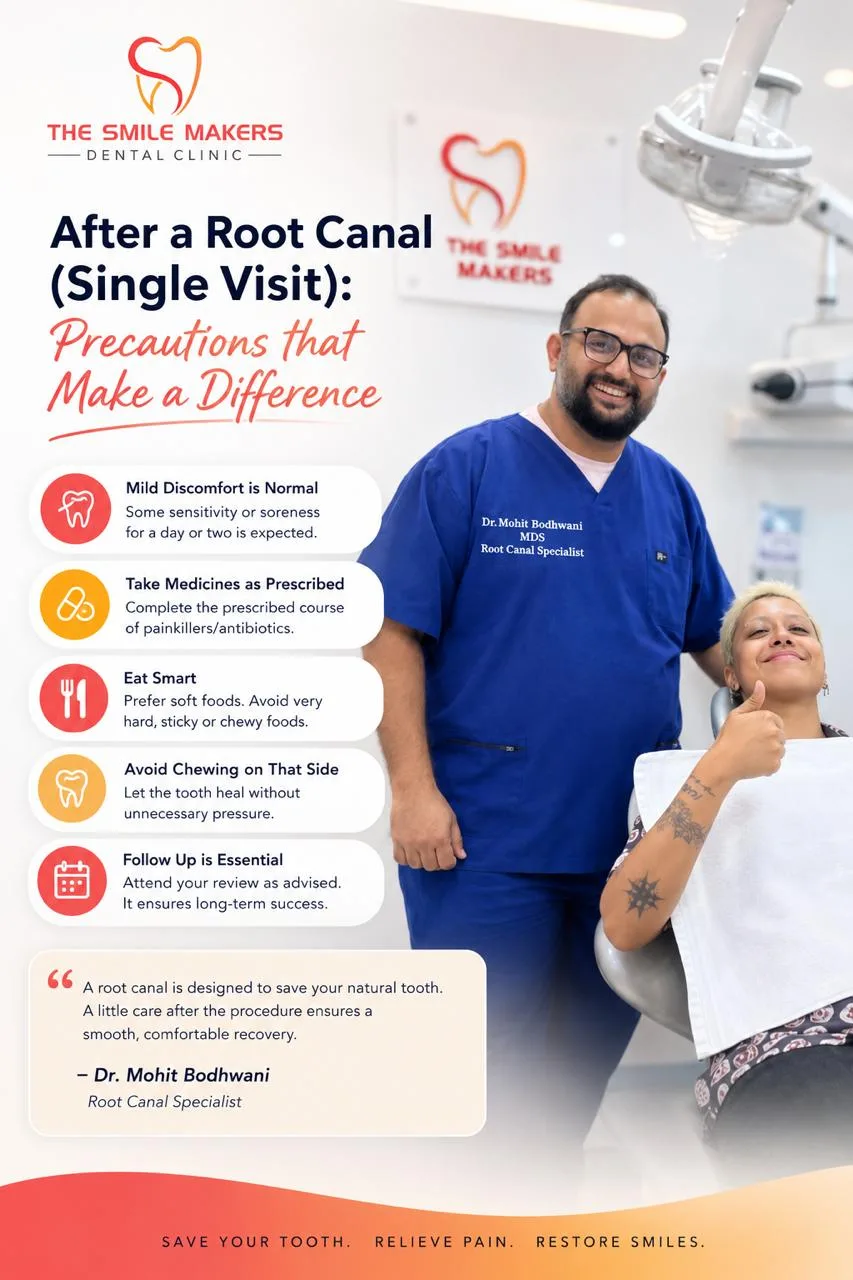
  • The area can feel sore for a few days. Your dentist will tell you which pain relief is suitable for you.
  • Avoid chewing hard food on that side until the tooth is fully restored.
  • Keep brushing and flossing as usual.
  • Call us if you have swelling, fever, severe pain or your bite feels uneven.

Cost

Root canal therapy at The Smile Makers starts at ₹5,500. The final cost depends on the tooth, how complex the case is and whether a crown is needed. See our Fees page. (edited in October 2026)

Common questions

Is a root canal painful?
The tooth is numbed before treatment, so most patients feel pressure rather than pain. Some soreness afterwards is normal and usually settles in a few days.

Will I need a crown after a root canal?
Usually yes, especially for back teeth. A tooth that has had a root canal loses its blood supply and can become dehydrated and more brittle, so there is a higher chance that it fractures. A crown covers and protects the tooth, which is why one is normally added. Zirconia is the most commonly used crown material today, compared with metal-ceramic. Read more on our Dental Crown page.

Is it better to extract the tooth?
Saving your natural tooth is usually preferred when it can be restored. If a tooth cannot be saved, replacement options include a dental implant or a bridge.

Teeth filling | Dental crown | Book an appointment

Have more questions? Read Dr Mohit Answers, short answers from Dr. Mohit Bodhwani (Endodontist).

Qualifications and Credentials

Dr. Mohit Bodhwani, Endodontist at The Smile Makers Dental Clinic, Khar West, Mumbai

Dr. Mohit Bodhwani (Endodontist)

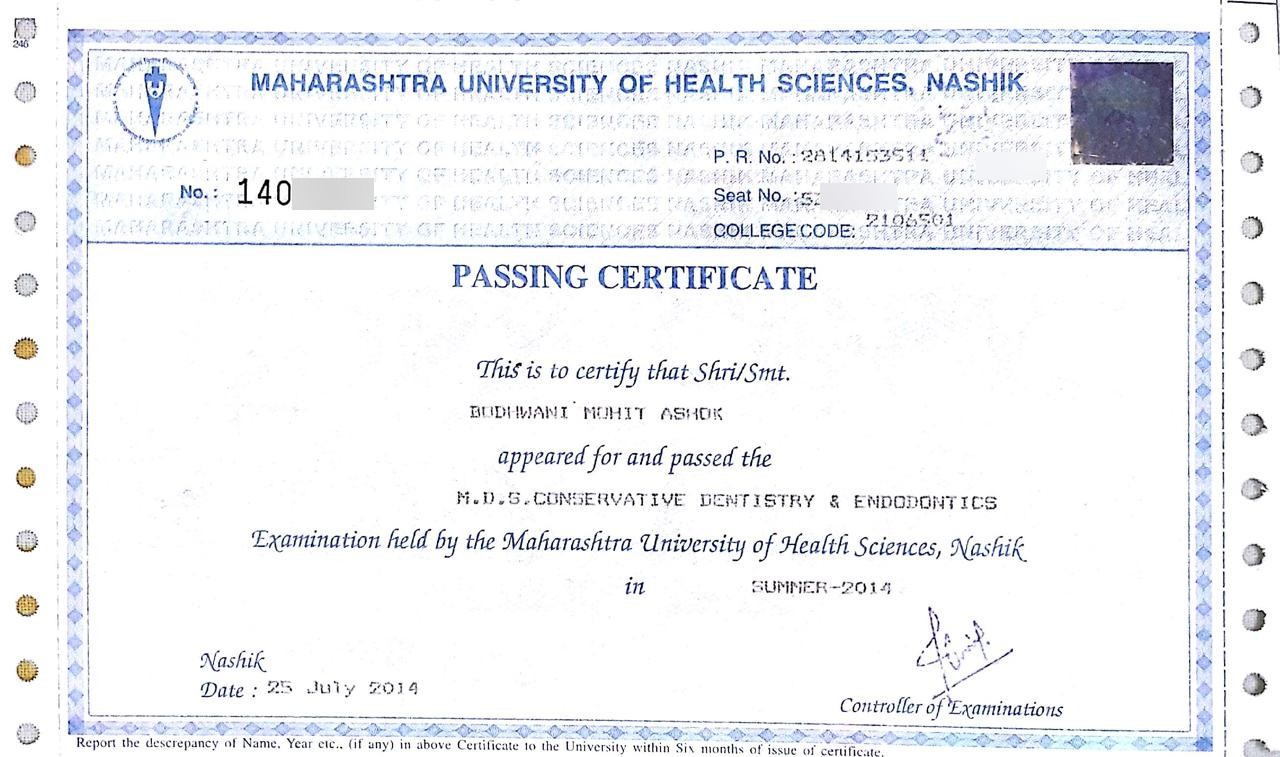
  • BDS; MDS in Conservative Dentistry and Endodontics (Maharashtra University of Health Sciences, Nashik, 2014)
  • Trained at Mahatma Gandhi Mission's Dental College & Hospital, Navi Mumbai
  • 17+ years of experience and more than 25,000 root canal treatments

Research Publications

  1. Mineral Trioxide Aggregate Apexification in a Nonvital Immature Central Incisor Tooth using an Internal Matrix
    Journal of Contemporary Dentistry, 2014;4(2):113-117.
  2. Effect of Calcium Hydroxide Based Intracanal Medicaments on the Apical Sealing Ability of Resin Based Sealer and Guttapercha Obturated Root Canals
    Journal of Clinical and Diagnostic Research, 2017;11(1):ZC75-ZC79.

Certificates
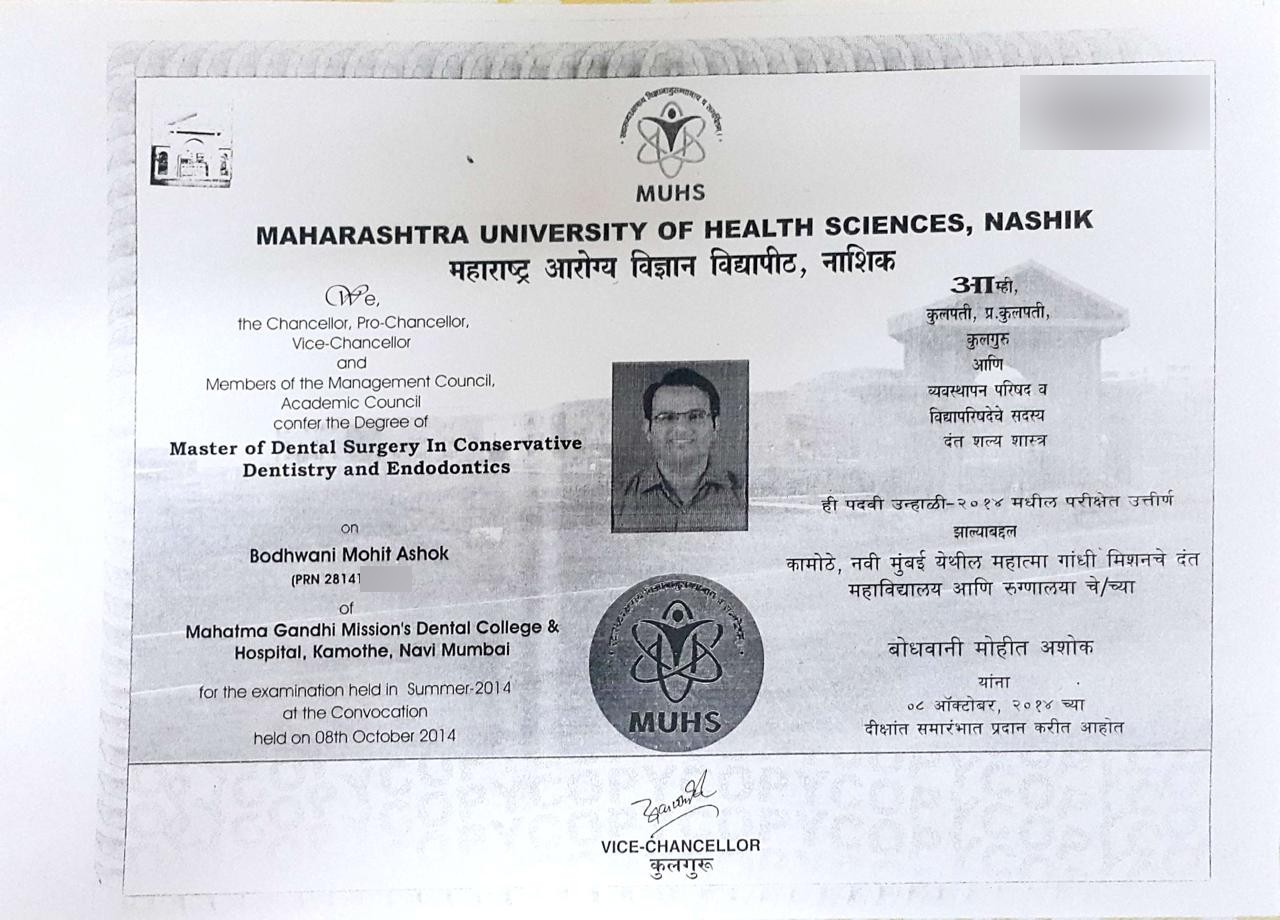
MDS degree certificate of Dr. Mohit Bodhwani in Conservative Dentistry and Endodontics, Maharashtra University of Health Sciences, 2014
MDS Degree Certificate (MUHS, 2014)
MDS passing certificate of Dr. Mohit Bodhwani, Maharashtra University of Health Sciences, Nashik, Summer 2014
MDS Passing Certificate (MUHS, 2014)
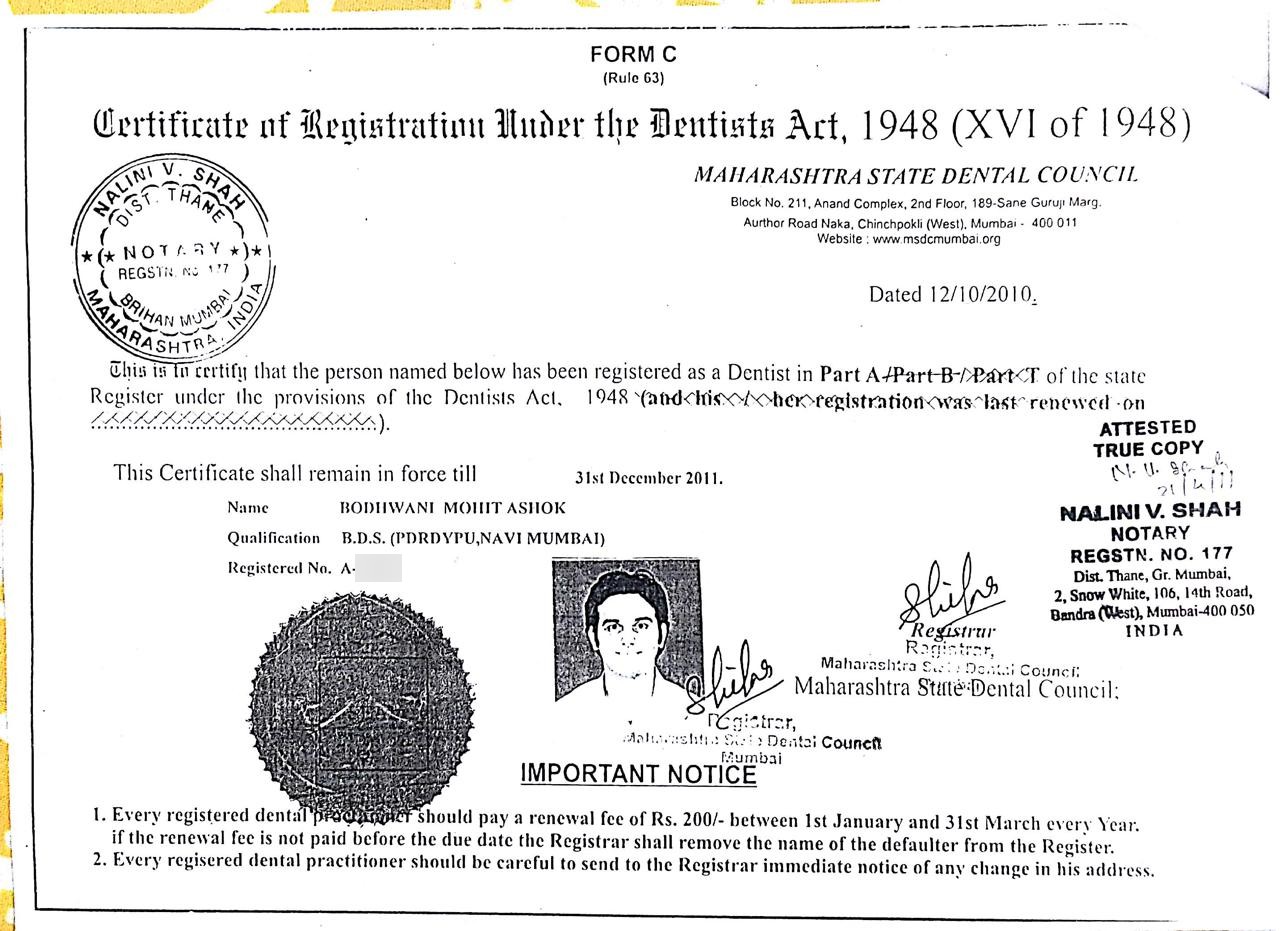
Certificate of Registration under the Dentists Act 1948, Maharashtra State Dental Council, issued to Dr. Mohit Bodhwani, BDS, in 2010
Registration Certificate, Maharashtra State Dental Council (2010)

Root canal care in pictures

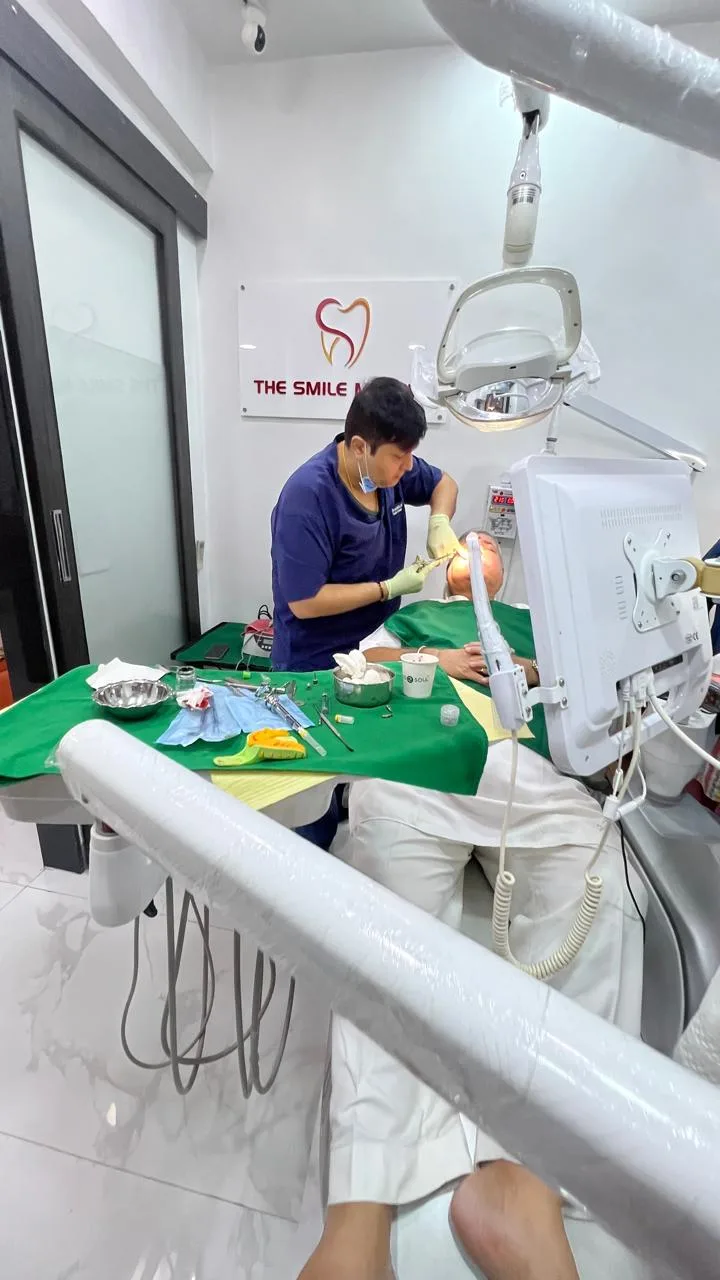
Root canal procedure in progress in the clinic operatory
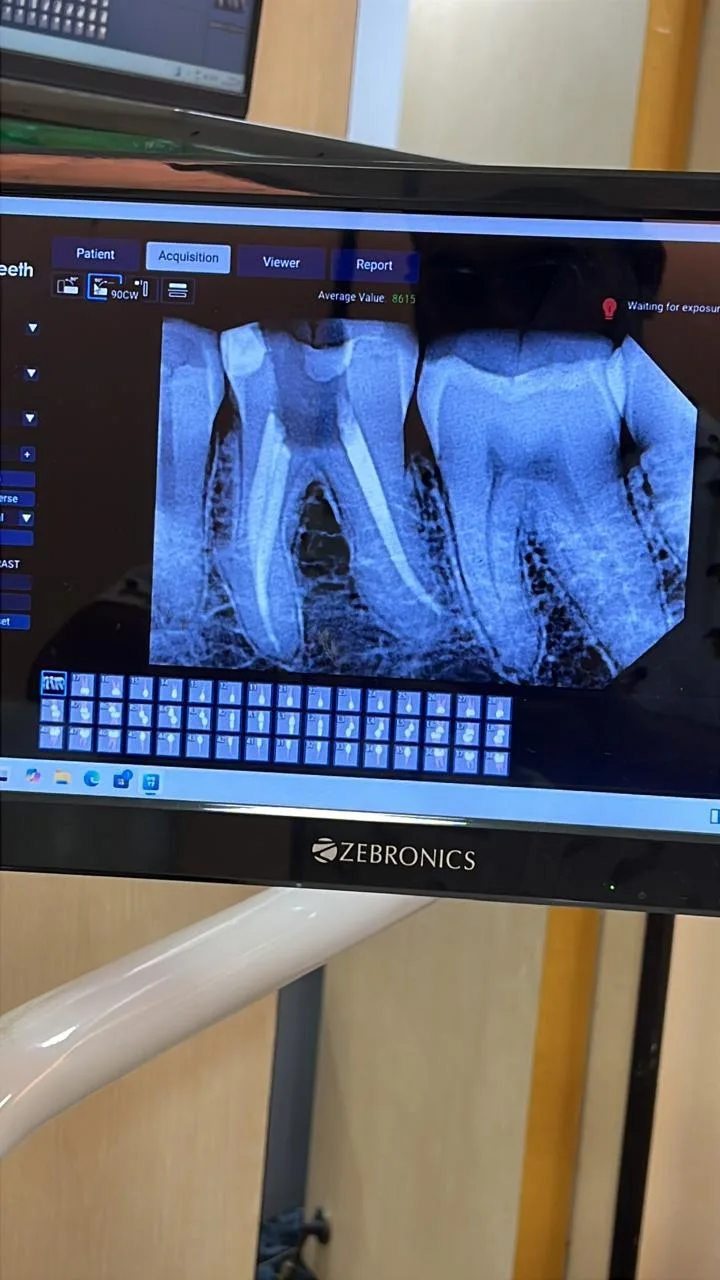
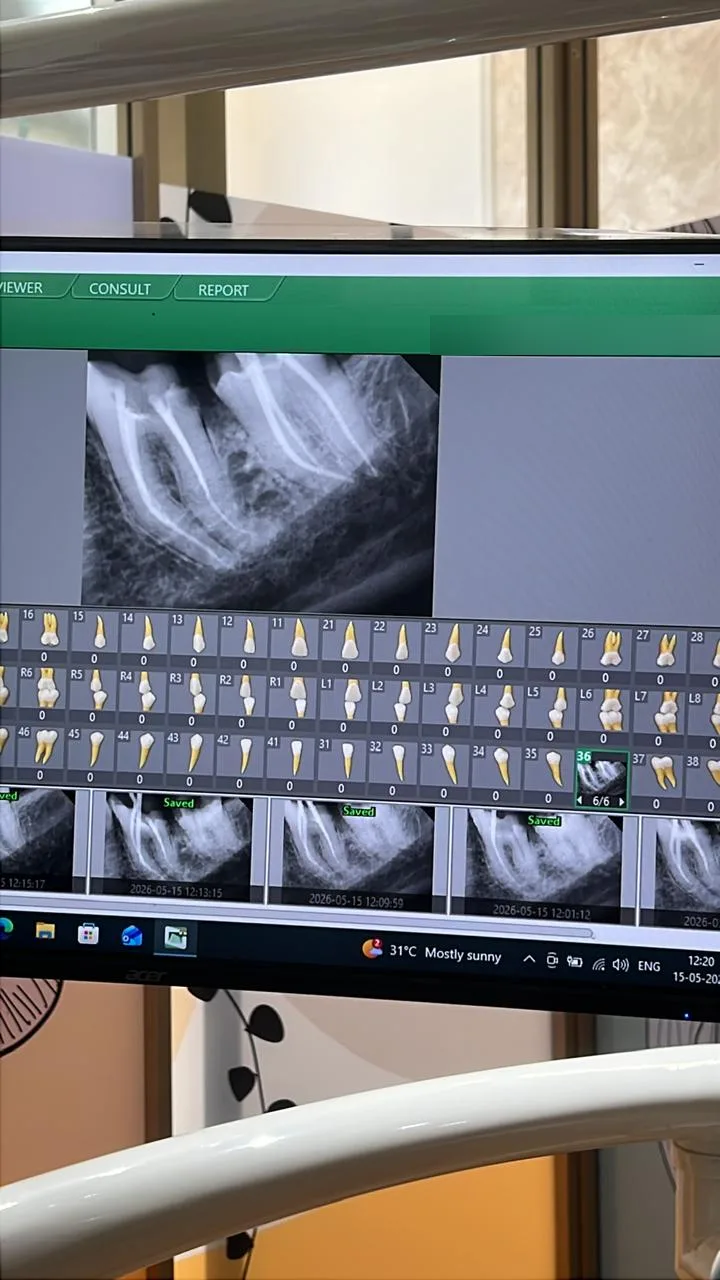
Digital X-ray of a molar used to plan root canal treatment
Digital X-ray of root canal treated teeth
Root canal aftercare tips infographic by Dr. Mohit Bodhwani (Endodontist)

See more in our Smile Gallery.

Book Appointment