
Gum Surgeries
The Smile Makers
Gum
Surgeries
Advanced Periodontal Care at Smile Makers Dental Clinic
Healthy gums are the foundation of a healthy smile. At The Smile Makers Dental Clinic, we offer advanced gum surgeries in Mumbai to treat gum disease, restore oral health, and improve the appearance of your smile.
Our experienced dental specialists use modern techniques to ensure safe, effective, and comfortable gum treatments tailored to each patient’s needs.
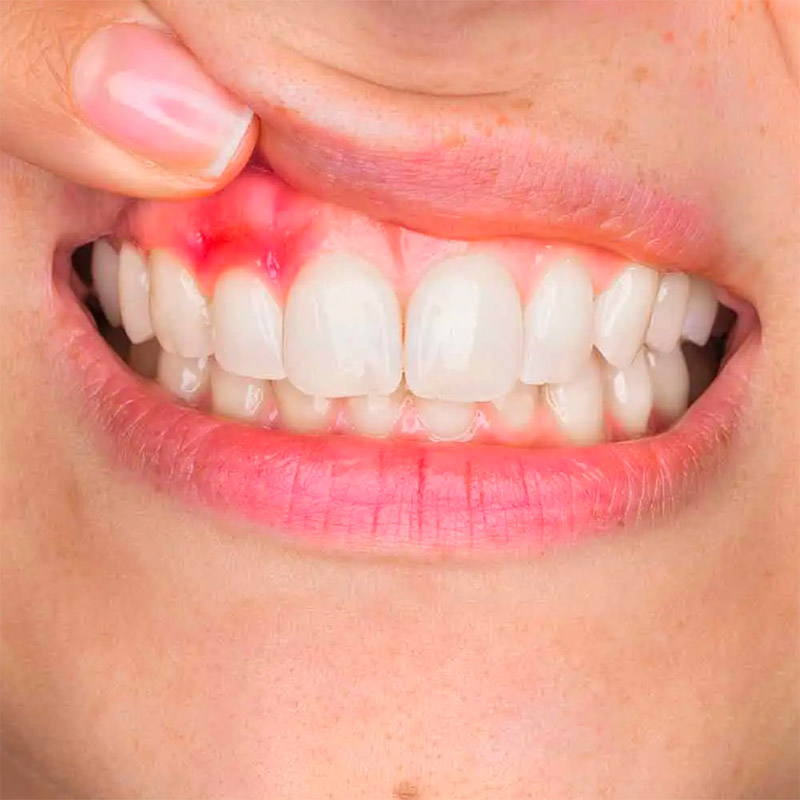
When do you need Gum Surgeries?
Gum surgeries may be recommended in various situations to address specific gum health issues. Here are some common scenarios when gum surgeries may be needed:
- Gum Recession
- Periodontal Disease
- Crown Lengthening
- Gummy Smile
- Dental Implant Placement
It’s important to note that the need for gum surgeries can vary based on individual circumstances and the severity of the gum condition. Consulting with a periodontist or dental professional is crucial to determine if gum surgeries are necessary and to develop a personalized treatment plan to address your specific gum health concerns.
What Are the Risk factors resulting in Gum Surgery?
Several factors can increase the risk of gum disease and may lead to the need for gum surgery:
Poor Oral Hygiene: Irregular brushing and flossing allow plaque and tartar buildup, increasing gum disease risk.
Smoking & Tobacco Use: Tobacco weakens gum tissue, reduces blood flow, and slows healing.
Genetic Factors: A family history of gum disease can increase susceptibility.
Hormonal Changes: Pregnancy, menopause, and hormonal conditions can affect gum health.
Systemic Health Conditions: Diabetes, heart disease, and immune disorders can worsen gum problems.
Certain Medications: Some medications may cause gum overgrowth or inflammation.
Maintaining good oral hygiene, a healthy lifestyle, and regular dental check-ups can significantly reduce the risk of gum disease and the need for gum surgery.
What Are The Symptoms of Gum Disease?
Gum disease can show several warning signs. Early detection helps prevent serious complications.
Swollen or Red Gums: Inflamed, tender, or reddish gums instead of healthy pink gums.
Bleeding Gums: Bleeding during brushing, flossing, or eating.
Gum Recession: Gums pulling away from teeth, making teeth appear longer and causing sensitivity.
Persistent Bad Breath: Ongoing bad breath despite proper oral hygiene.
Loose or Shifting Teeth: Weakening support around teeth leading to movement or misalignment.
Deep Gum Pockets: Spaces between gums and teeth that trap bacteria and food.
Changes in Bite: Discomfort or changes in how teeth fit together.
Regular dental check-ups are essential for early diagnosis and effective treatment. If you notice any of these symptoms, consult a dentist promptly.
How Is Gum Surgeries Performed?
Gum surgery is carried out by a trained dentist or periodontist using advanced techniques. The procedure generally includes the following steps:
Evaluation & Treatment Planning: A detailed examination of gums, teeth, and X-rays to determine the severity and plan treatment.
Local Anesthesia: The area is numbed to ensure a painless and comfortable procedure.
Accessing Gum Tissue: Small incisions are made to clean infected tissue and treat affected areas.
Scaling & Root Planing: Removal of plaque, tartar, and bacteria from teeth and roots to eliminate infection.
Tissue Regeneration (If Needed): Grafting may be used to restore lost gum or bone tissue.
Suturing: The gums are carefully stitched to promote proper healing.
Post-Surgery Care: Aftercare instructions and follow-up visits are provided to ensure successful healing.
The exact procedure may vary based on the patient’s condition and the severity of gum disease.
Is Gum Surgery Painful?
Local Anesthesia Used: Gum surgery is performed under local anesthesia, making the procedure comfortable and pain-free.
Minimal Pain During Surgery: Most patients feel little to no pain during the treatment.
Mild Discomfort After Surgery: Once anesthesia wears off, mild soreness, swelling, or sensitivity may occur.
Pain Management: Pain can be managed with prescribed or over-the-counter medications as advised by the dentist.
Proper Aftercare Helps: Following post-surgery instructions, eating soft foods, and maintaining oral hygiene aids healing.
Consult Your Dentist: Discuss any pain-related concerns with your dentist for personalized care.
need more help ?

Mobile Number
+91 7506 222 666

Email support
info@thesmilemakersdental.com

timing
10:00AM to 07:00PM (Monday to Saturday)
(Sunday Closed)

address
The Smile Makers Dental Clinic, Ground floor, 2A, DENTAL CLINIC, Sadanand Classic, 33rd Rd, near McDonalds/ MOCHI, Khar, Khar West, Mumbai, Maharashtra 400052